
Supporting Women Through Manual Lymphatic Drainage
As we move through International Women’s Day, this week we’re reminded how often women adapt quietly to discomfort and how important it is to create spaces where their bodies are met with steadiness and support.
“We’re taught to push through discomfort, but the body always speaks eventually. Modern life asks a lot of women. Many of us are juggling intense careers, hands-on motherhood and the invisible mental load that sits underneath it all. For some, that’s further complicated by conditions like endometriosis and other hormonal challenges, where inflammation, fatigue and fluid retention can become part of daily life.
I’ve learned firsthand that constantly pushing through isn’t sustainable - the body keeps the score. Treatments like lymphatic drainage massage can play a powerful supporting role by encouraging the body’s natural processes of circulation, detoxification and recovery. At MASAJ we see bodywork as more than relaxation; it’s a way for people to reconnect with what their body needs and create a little more balance in busy lives.”

International Women’s Day often celebrates what women achieve and carry. We also want to acknowledge what they manage privately the physical load that doesn’t always have language or visibility.
At MASAJ, we regularly see women managing bloating, pelvic discomfort, fatigue and tension that is sometimes linked to their cycle, sometimes ongoing.
This can sit alongside an endometriosis diagnosis. Sometimes it’s connected to hormonal shifts, stress load, training, long workdays, motherhood, or a combination of all of it.
Many have adapted quietly; they schedule around symptoms and they ‘keep going’. We see bodies working hard.
Why MLD Is Resonating Now
There has been a noticeable shift in how people approach bodywork.
Rather than booking treatments purely for relaxation, many clients are choosing therapies that support how their body functions day to day. They want something purposeful, not always intense pressure or extreme change, but intelligent techniques.
Manual Lymphatic Drainage (MLD) sits in that space.
Its technique is deeply calming, but it also stimulates the lymphatic system, which can help with fluid retention, the immune system, and sluggishness. depuffing and recovery. It earns its place in a wellness routine.
As MASAJ therapist Cara Levy explains:
“Manual lymphatic drainage isn’t about forcing change, it’s about gently supporting the body’s own systems so recovery, balance and long-term wellbeing can happen naturally.”
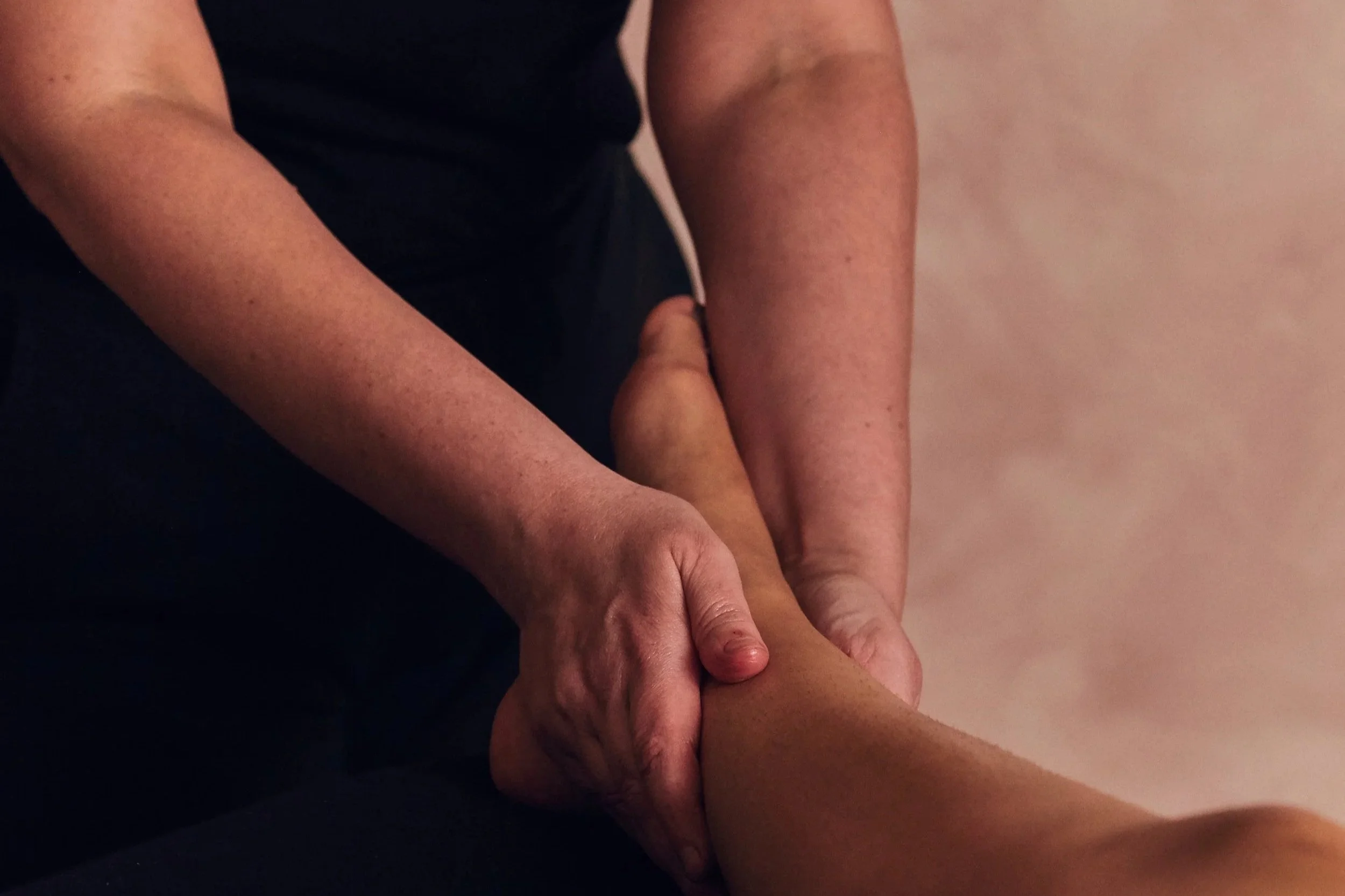
Fluid Retention & Abdominal Heaviness
The lymphatic system is responsible for moving excess fluid and supporting immune function. When flow becomes sluggish, whether due to inflammation, hormonal shifts, stress or inactivity, fluid retention can increase.
This often presents as:
Puffiness in the abdomen
Swelling in the thighs or arms
A feeling of heaviness
Increased bloating
MLD uses light, rhythmic movements just beneath the skin to stimulate lymph flow. It does not force fluid; it encourages movement.
Clients commonly report:
Reduced puffiness
A lighter sensation
Less abdominal pressure
A calmer overall state and sometimes increased energy
For women navigating endometriosis, bloating can be inflammatory, structural or fluid-based. MLD does not treat endometriosis itself, but it can support fluid retention and nervous system regulation as part of a broader wellness plan.
We are always clear: results are subtle and often build over a few days and a few sessions. It’s heavily supported by aftercare and self-care. This is work that supports the body, not overrides it.
“This was the best lymphatic drainage massage I’ve had – it was so relaxing but also Amy explained the different lymph nodes and where they were blocked so well. It was both educational and beneficial so I am very grateful.”
Abdominal Work & Hormonal Awareness
The abdomen is the functional, emotional and hormonal centre of the body. It is also an area many women unconsciously brace, particularly when experiencing pain.
Gentle abdominal techniques can:
Encourage circulation
Support digestive rhythm
Reduce protective holding
Improve breath awareness
This isn’t about sculpting. It’s about responsiveness.
Nervous System Regulation
Chronic discomfort can heighten the nervous system. The body may remain slightly guarded, even at rest.
MLD’s slow tempo supports parasympathetic activation, helping breath deepen and muscular tone soften. Often, the shift clients notice most is not visual, but internal.

“The slow flow of MLD perfectly balances relaxation and revitalisation. It’s my number one go-to for a gentle reset.”
-Kate, MASAJ Therapist
Maintenance, Not Intensity
We increasingly see clients treating MLD as maintenance rather than a one-off solution.
A realistic rhythm looks like:
Every 4 weeks for ongoing support
Weekly or bi-weekly during high-stress periods, heavy training blocks or persistent fluid retention
Consistency over intensity. Regular, gentle stimulation is what keeps the lymphatic system responsive long term.
