
Deep Tissue Massage vs Sports Massage: Which Treatment Works Best for You?
Written by the MASAJ team and verfied by MASAJ therapist Simona Lacorte (Level 5 Diploma in Sports Massage, The School of Natural Therapies Trigger Point Therapy Diploma, The School of Natural Therapies)
That persistent ache in your shoulder needs attention, but which path do you take? Deep tissue or sports massage?
We find that it's a common point of confusion for our guests, whether they are athletes, recovering from injury, or even those who have general aches and pains. As both deep tissue and sports massage are used to address pain and muscle issues, though they work in quite different ways and have different approaches.
This guide will equip you with the insights needed to find the treatment your body truly needs and enhance your understanding of these powerful therapeutic approaches. Prepare to move beyond the guesswork and make informed decisions that transform your practice and well-being.
Understanding the Fundamentals
What Exactly Is Deep Tissue Massage?
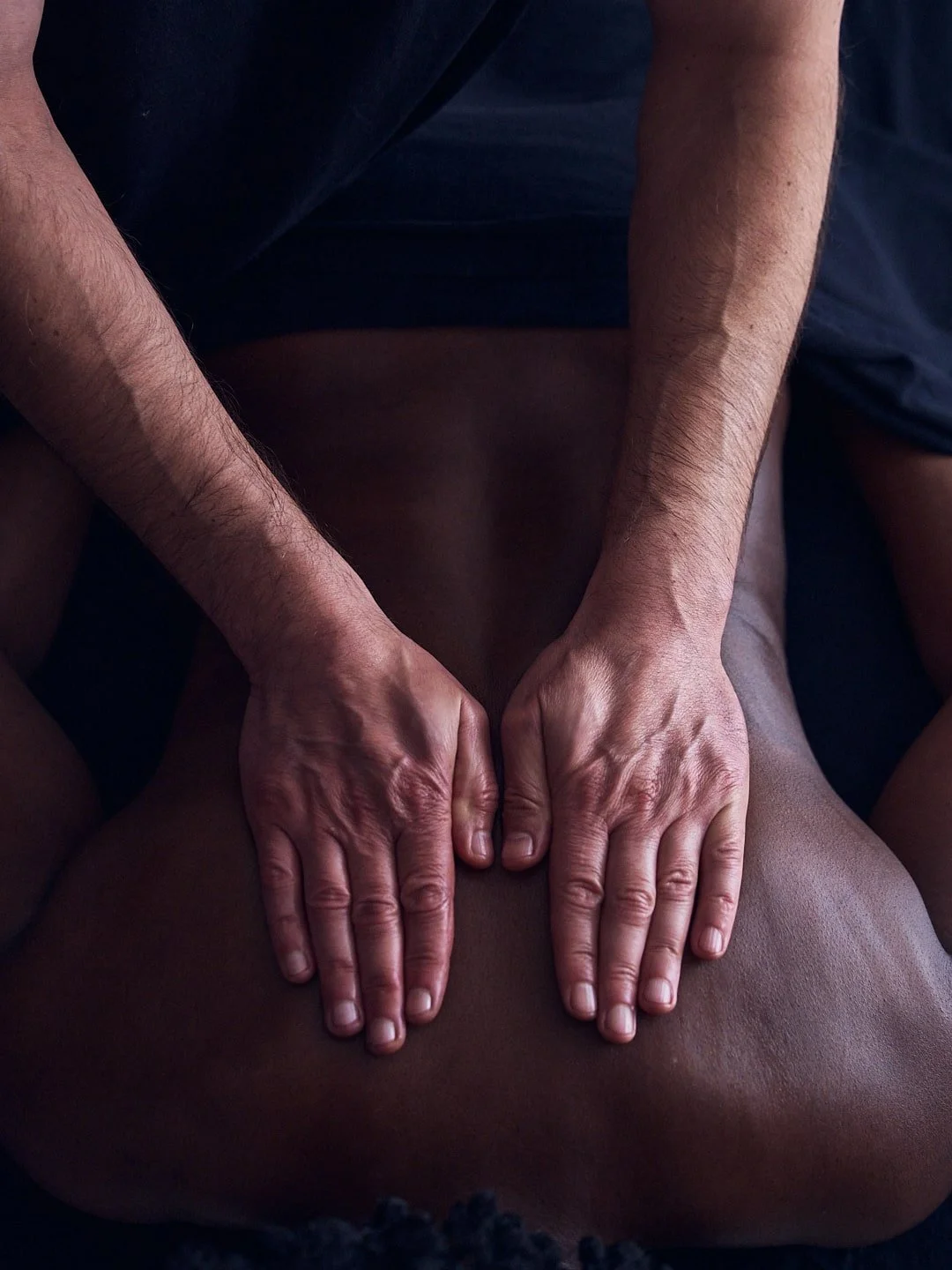
Your muscles have layers, each holding its own patterns of tension and restriction. Deep tissue massage is the art of methodically exploring these layers, building pressure to access the deeper structures that other treatments cannot reach. This isn't about brute force; it's about intelligent, layer-by-layer tissue manipulation designed to break down adhesions and release muscular tension.
Your therapist employs deliberate and firm massage techniques like kneading, wringing and pressure points alongside firm strokes to work through the superficial tissues. The goal is therapeutic, but still relaxing, targeting those deep-seated muscle problems that have persisted for weeks, months, or even years. Deep tissue massage focuses on relieving built-up tension, while sports massage is better suited for ongoing issues, injury recovery, or chronic pain.
Sports Massage: Beyond Athletic Performance
Don’t let the name fool you - you don’t need to be an athlete to benefit from sports massage. This dynamic bodywork focuses on optimising movement patterns, improving mobility, and enhancing physical performance for anyone who moves their body. It’s especially beneficial if you’ve been dealing with an ongoing issue, reduced mobility, or stiffness that’s built up over time. Whether you’re a busy parent, an office worker with tight hips or “tech neck”, someone whose flexibility isn’t what it used to be, or a professional athlete, sports massage can help restore movement and provide a much-needed stretch.
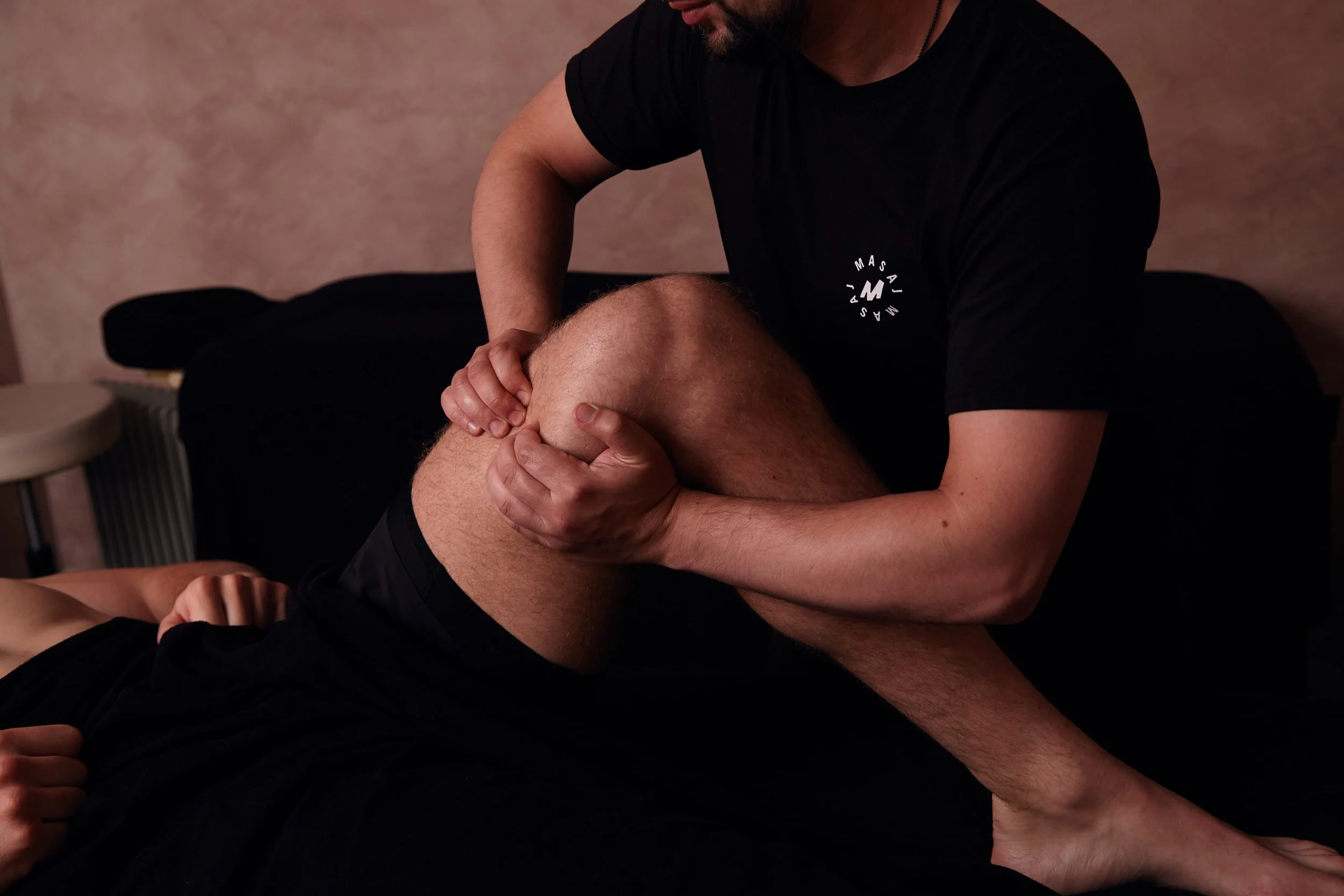
Sports massage adapts to your specific needs through varied techniques including cross fibre work in muscles, compressions, dynamic movements and stretching. As well as being a go-to when something doesn’t feel quite right, it’s designed to enhance flexibility, increase blood flow, reduce muscle fatigue, and prevent injuries moving forward.
What sets it apart is its adaptable nature - Every treatment starts with an assessment, and an in-depth consultation where you will set clear goals with your therapist. Sessions are often therapist-led. All of our Sports therapists are level 3 minimum, and experts in a tailored approach, guiding you through expert techniques with pressure perfectly adjusted to your needs. The techniques and approach to this type of bodywork changes based on timing and purpose, meaning the treatment plan is bespoke to you, the MASAJ way!
Long standing injury, twinge or general feeling of imbalance? Sports Massage could be for you - you just don’t know it. These experts really have seen it all, and are eager to help - not just for a quick fix, they’re in it for the long haul! Experts in body mechanics and understanding why, they will not just make you feel great after one session, but support your recovery long term, giving you exercises and knowledge to use for long after your session has ended.
If you are a Sporty Human, Sports massage lends itself to pre-event sessions, energising and preparing muscles. It’s also great for post-event treatments focused on recovery acceleration and metabolic waste removal. Research consistently demonstrates its effectiveness in reducing delayed-onset muscle soreness (DOMS) and improving recovery times between training sessions. Its rehab at it’s most relaxing!
Core Differences That Matter - A Summary
| No.2 Deep Tissue Massage | No.4 Sports Massage | |
|---|---|---|
| Purpose / Goals | Break down adhesions, relieve deep set tension | Enhance performance, prevent injury, accelerate recovery, tackle chronic pain |
| Pressure Style | Slow, sustained, deep pressure | Variable intensity based on timing and goals, dynamic and guided sessions |
| Target Areas | Deeper muscle layers and fascia | Sport-specific muscle groups and movement patterns |
| Session Duration | Longer, slower sessions advised. We advise 75 minutes minimum for a full body massage. 60 minutes is ideal if you want a few areas worked deeply. | Focus areas advised, 30 to 45 minutes per area. Longer sessions available to target more than one area. |
| Ideal Timing | Anytime. Pressure can be adjusted depending on how you are feeling on the day. | When you have a twinge, ache or injury. Pre or post training, or when muscles need a boost. |
Understanding the distinction between these massage treatments is crucial for selecting the right therapy for your specific needs.

“While deep tissue massage targets deep muscle tension, sports massage is tailored to the body’s physical demands. It is not only a recovery tool but also a proactive approach to physical care, supporting body performance, preparing the body for activity, reducing the risk of injuries, and enhancing post-exercise recovery through a mix of targeted techniques.”
Deep tissue massage focuses specifically on addressing general muscular tension through methodical, sustained pressure techniques. The practitioner works systematically through muscle layers, spending considerable time on problem areas.
Sports massage adapts dynamically to your immediate needs. It's more varied in technique and intensity, designed to complement your lifestyle rather than solely address dysfunction.
Technical Techniques Breakdown
Deep Tissue Methodology
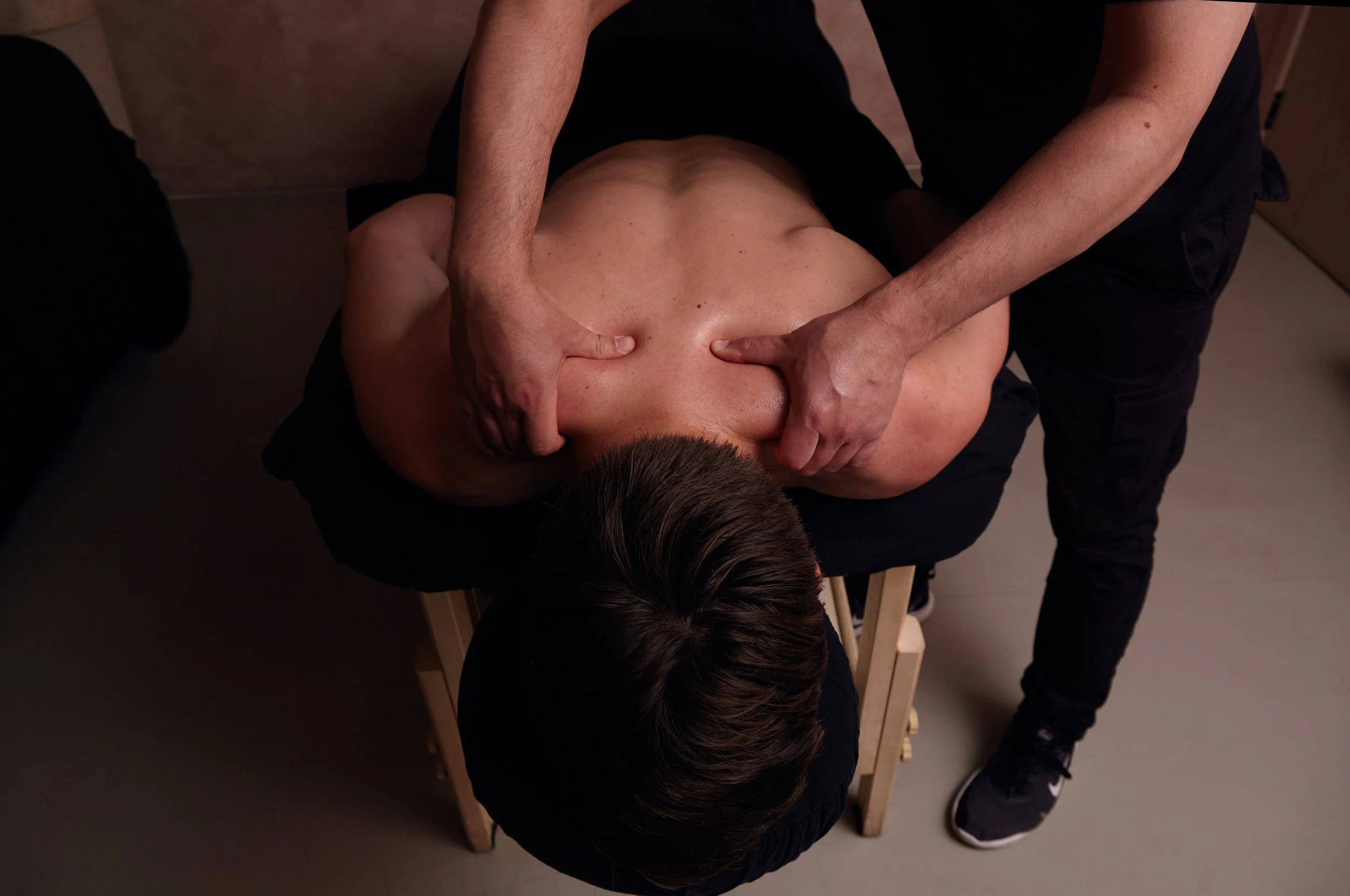
The primary movement includes deep effleurage, some warming cross-fiber frictions, and pressure point therapy to release specific muscle knots. Your therapist works systematically, often spending 5-10 minutes on a single area. The pressure builds gradually, allowing tissues to respond and release rather than forcing change. You might experience some discomfort as adhesions break down, but this should feel like "good hurt" rather than sharp pain.
Sports Massage Approach
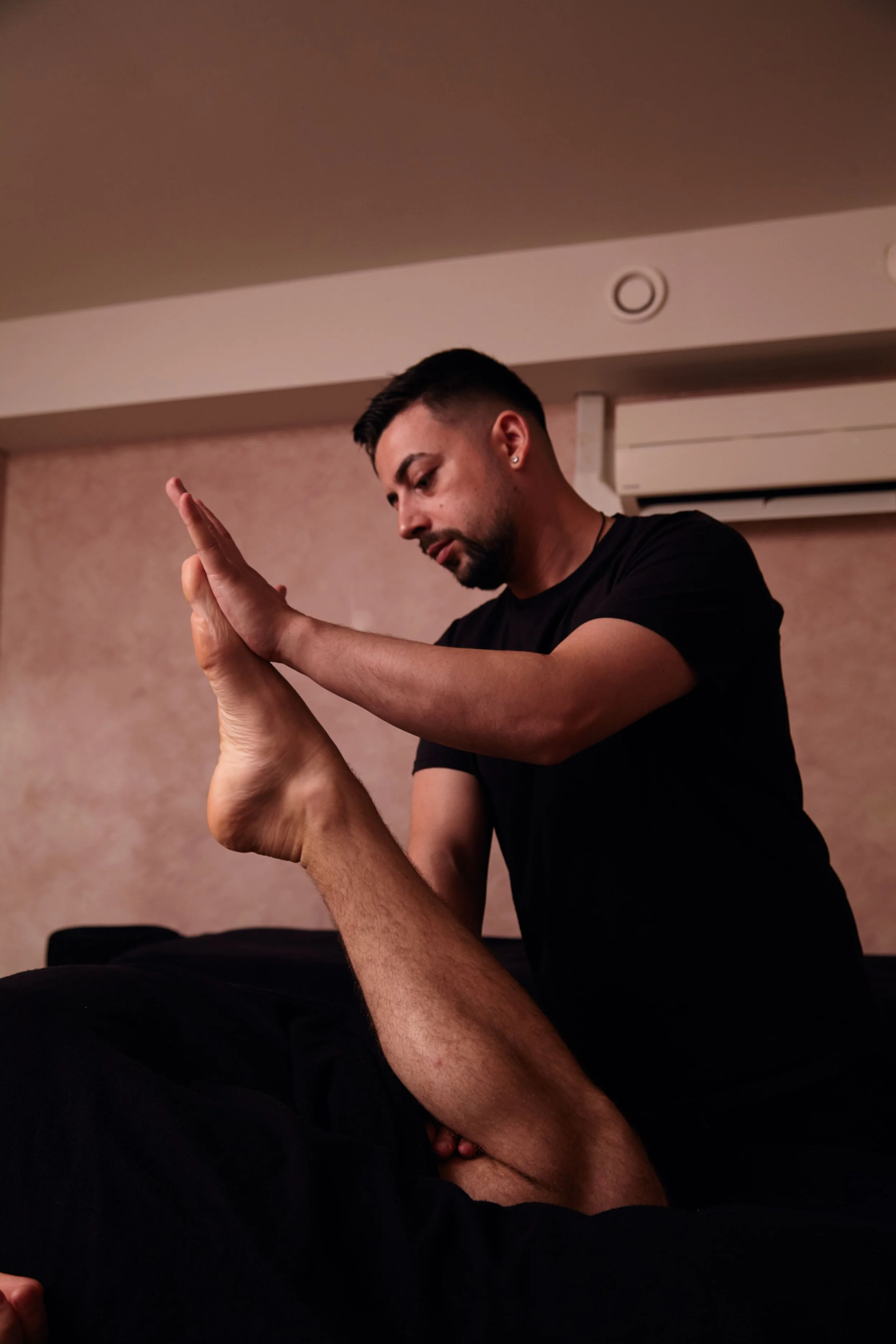
Sports massage employs a dynamic toolkit that adapts to your immediate needs. Pre-event sessions use stimulating techniques like fast effleurage and tapotement to increase circulation and neural activation. Post-event work focuses on recovery enhancement through gentle effleurage, compression, and stretching to flush metabolic wastes and reduce muscle tension.
Maintenance sessions between training incorporate petrissage for deep muscle work, friction to address specific restrictions, and dynamic stretching to maintain flexibility. Your therapist might integrate compression techniques to enhance circulation, joint mobilisation to improve range of motion, and targeted work on muscle groups specific to your activity. The intensity varies throughout the session, responding to your body's current state rather than following a predetermined protocol.
When to Choose Each Treatment
Deep Tissue Is Right When You Experience:
Choose deep tissue to address muscular tention that have been limiting your comfort:
Stress-related tension that creates knots in your shoulders, neck, and jaw
Postural imbalances resulting from prolonged sitting or repetitive work patterns
Muscle stiffness that doesn't respond to lighter massage or self-care
Sports Massage Works Best For:
Select sports massage when your goals center around optimisation and recovery:
Active/busy lifestyle maintenance for anyone who is running around town
Post-injury recovery (after acute phase) to break down scar tissue and restore mobility
Injury prevention through improved flexibility and muscle balance
Pre-workout preparation to activate muscles and enhance performance readiness
Post-exercise recovery to reduce muscle soreness and accelerate healing
Rehabilitation support during return-to-activity phases
Movement optimisation for better efficiency in daily activities or sports
Making Your Decision
Listen to your body's signals. If you're dealing with deep-seated tension that affects your daily life, deep tissue massage offers a firm but therapeutic approach. If you're active and seeking to enhance performance, prevent injury, or recover more effectively, sports massage provides the dynamic support your body requires.
Consider timing as well. Deep tissue works best when you can allow for recovery time afterward, while sports massage can be precisely timed to complement and support your busy lifestyle.
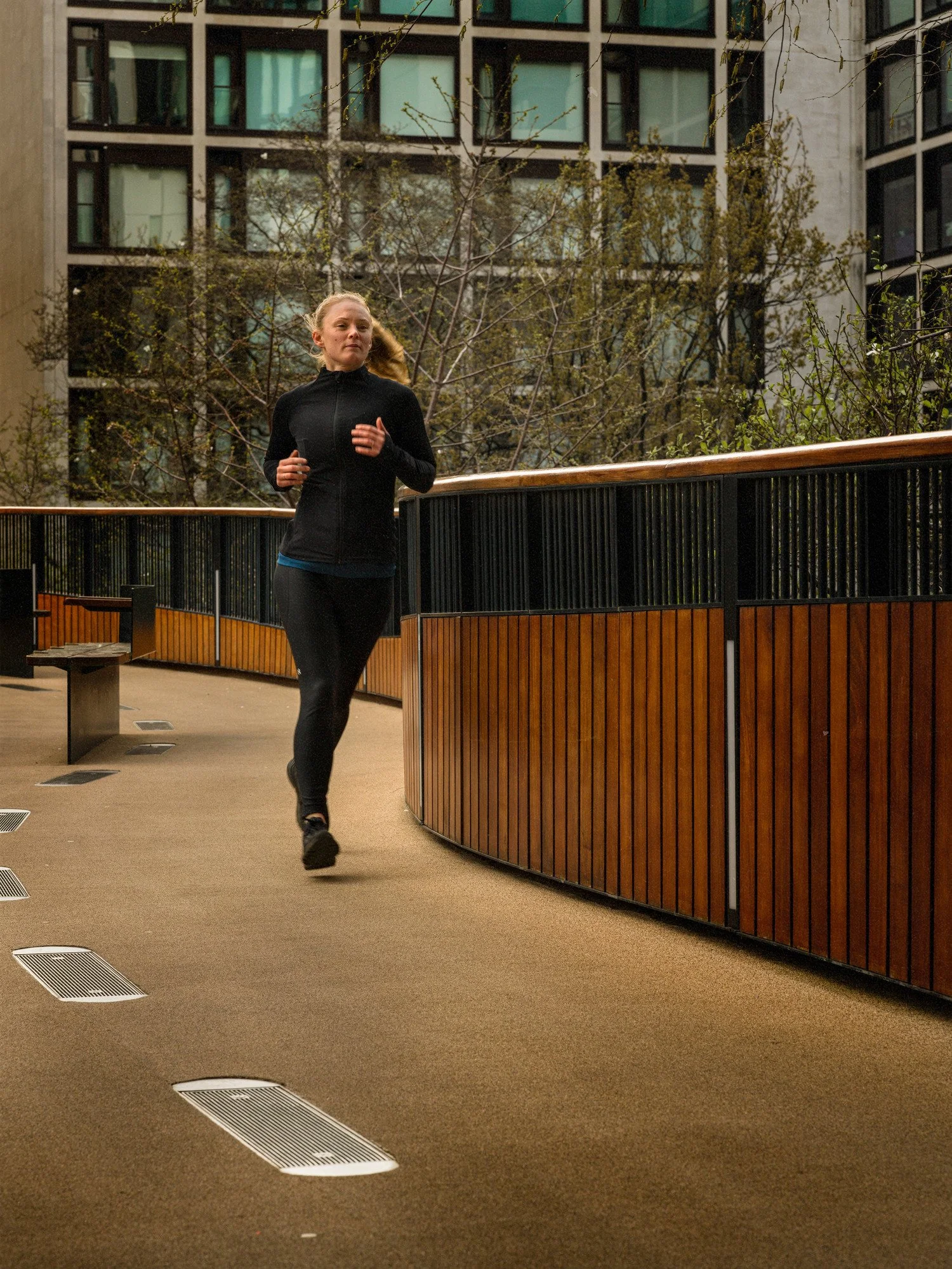
Training for a marathon?
Work sports massage into your training block.
Transform Your Recovery and Performance
Ready to integrate targeted massage into your wellness strategy?
Communication is crucial for the best outcomes. Before your session, your MASAJ therapist will ask about your goals, problem areas, and activity level. During treatment, they will ask for feedback on pressure and technique - this ensures the session meets your specific needs rather than following a generic protocol.
Your body deserves expert attention - we can help you choose the modality that aligns with your goals and experience the transformative power of targeted massage therapy.